Tuesday, November 14, 2017

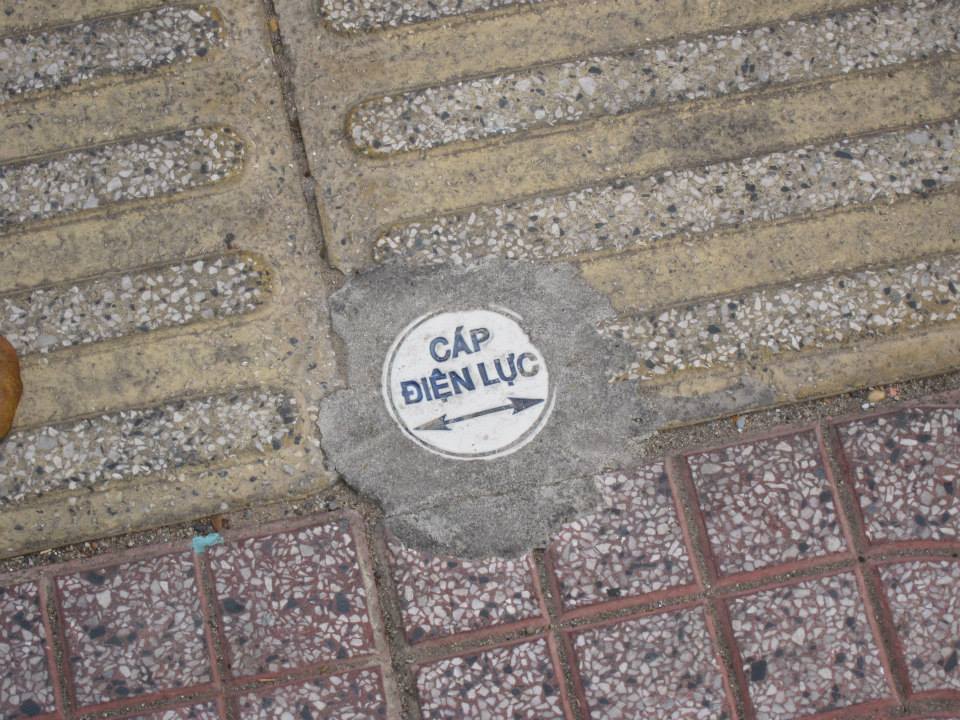
cáp điện lực


cáp điện lực 
电力电缆
Power Cable

cáp cable 电缆
điện lực power 电力

cơm gà


cơm gà
鸡饭
Chicken Rice

cơm 饭 Rice
鸡 Chicken

Wednesday, November 8, 2017

Ho Chi Minh City opens second ‘food street’

Ho Chi Minh City opens second ‘food street’


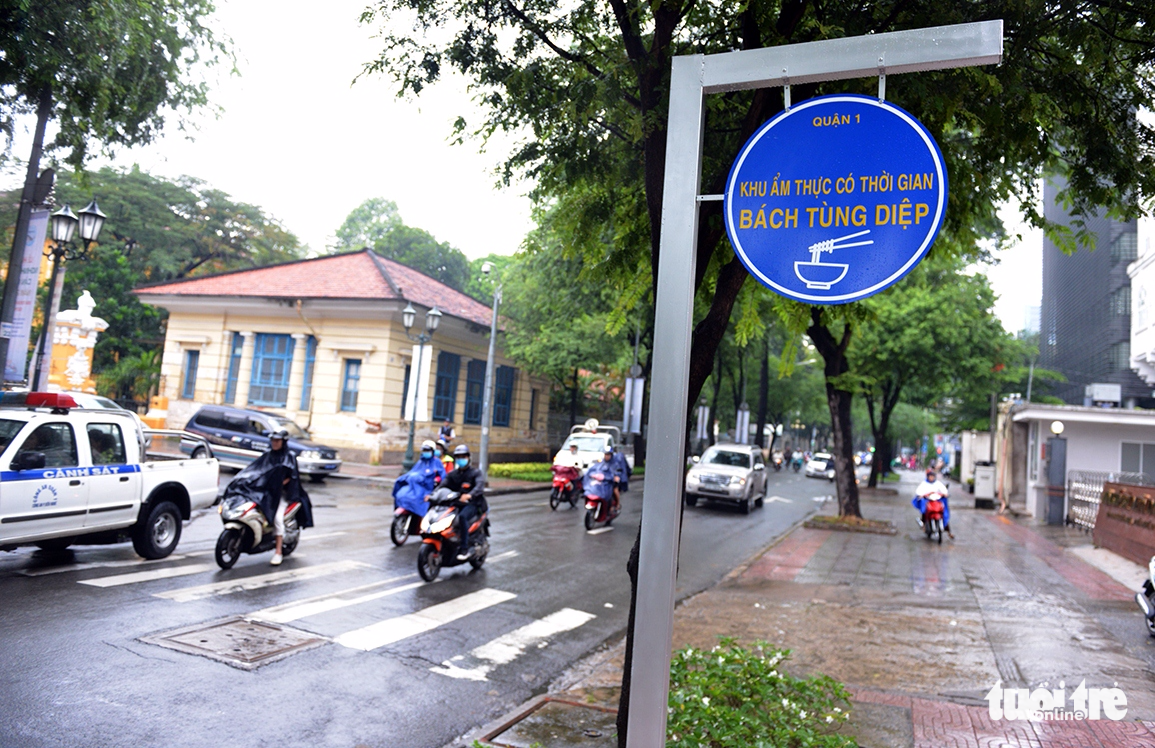
The Bach Diep Tung food street in District 1, Ho Chi Minh City. Photo: Tuoi Tre

A second ‘food street’ opened on Monday morning in Ho Chi Minh City, one month after the launch of the first.

The new food hub is located at the Bach Tung Diep Park in District 1, bordered by Nam Ky Khoi Nghia and Ly Tu Trong Streets.

The 30-meter food street houses up to 30 catering businesses run by former street vendors, who take turns to occupy the stalls in two shifts: between 6:00 am and 9:00 am, and from 11:00 am to 2:00 pm.

The food street is the second of its kind to be opened in the southern metropolis, following a months-long crackdown on sidewalk-encroaching street vendors headed by Doan Ngoc Hai, deputy chairman of District 1.

The city’s first food street was launched on August 28 along Nguyen Van Chiem Street, which lies between the Youth Culture House and Diamond Plaza, connecting Pham Ngoc Thach and Hai Ba Trung Streets in District 1.

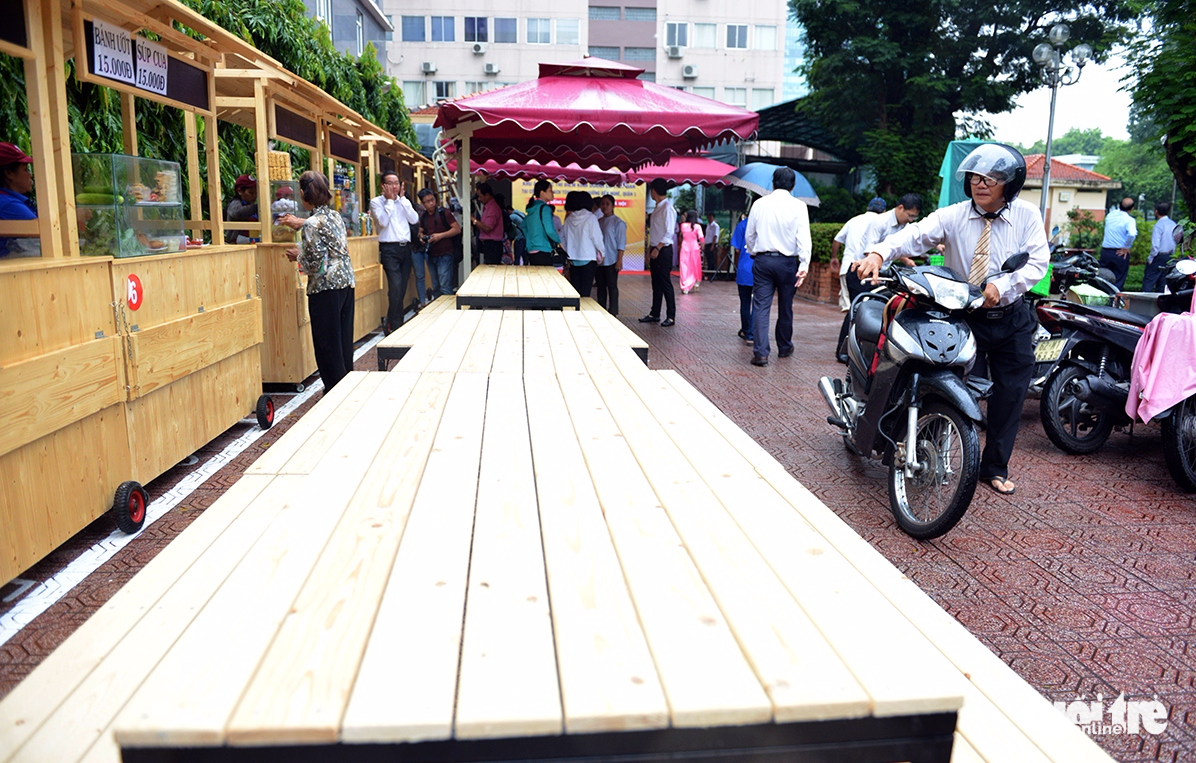
While the Nguyen Van Chiem food street only offers takeaways, there are tables and parasols available at the Bach Tung Diep food street for diners to enjoy their meal nearby.


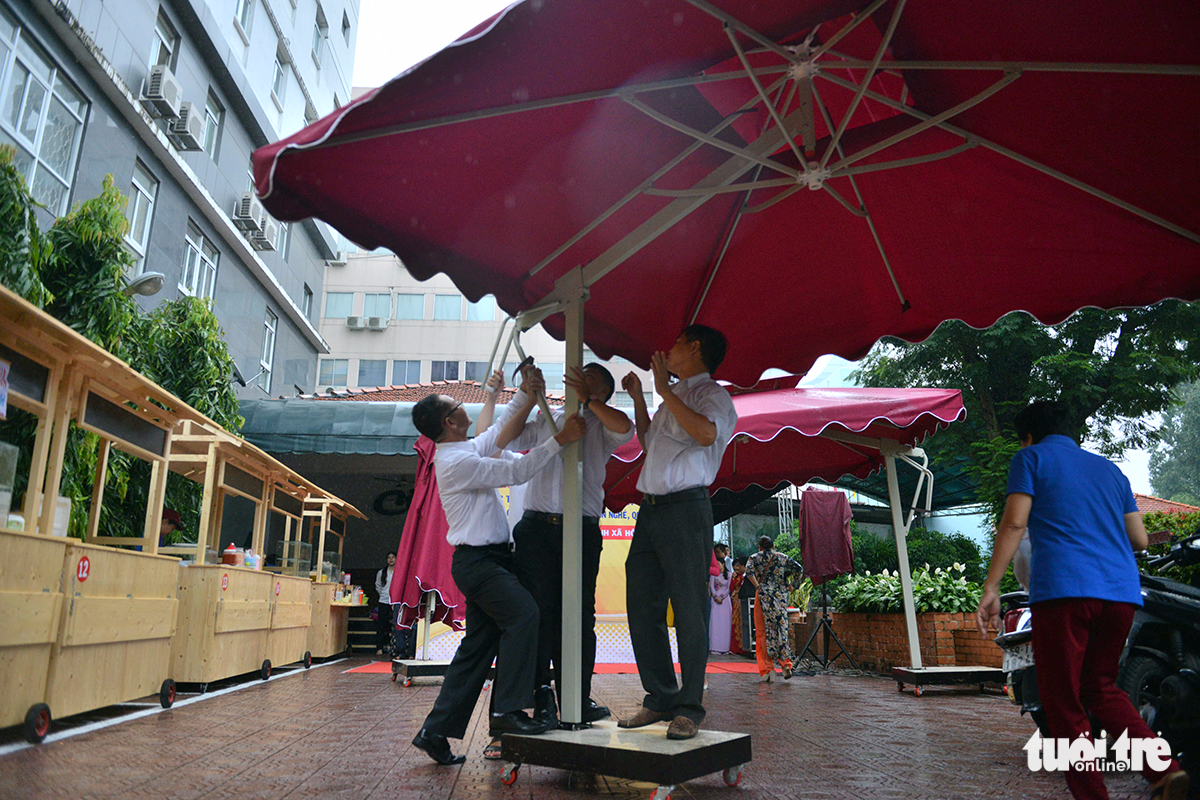
Parasols and tables are available for diners to enjoy their meal on the spot. Photo: Tuoi Tre Food safety and hygiene are the number-one priorities a both streets, with all vendors undergoing a compulsory training course, according to Tran The Thuan, chairman of District 1.

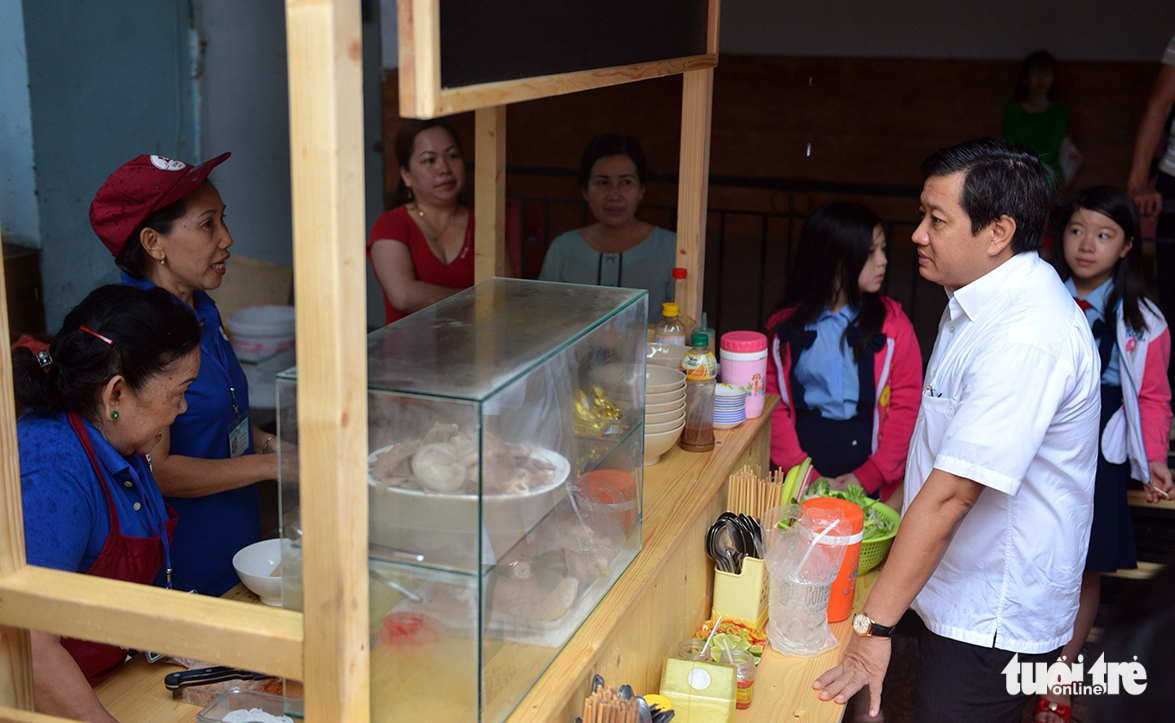
Doan Ngoc Hai was present at the opening day of the Bach Tung Diep food street on Monday morning to hand out lucky money and wish the vendors a profitable year.

A representative from District 1’s administration said the district would permit night shifts in the near future to meet the varied demands of diners in the city.

The sidewalk clearance campaign began earlier this year after Hai took it upon himself to enforce the district’s often-ignored sidewalk occupancy laws.

Taking note of the campaign’s positive reception from local citizens, other neighborhoods in Ho Chi Minh City had begun following suit until the initiative came to a sudden end in late March.

Hai marked the campaign’s return with a surprise crackdown on August 9, issuing fines to multiple cars and taxis parked illegally on sidewalks and confiscating tables and chairs from eateries occupying the pavements.


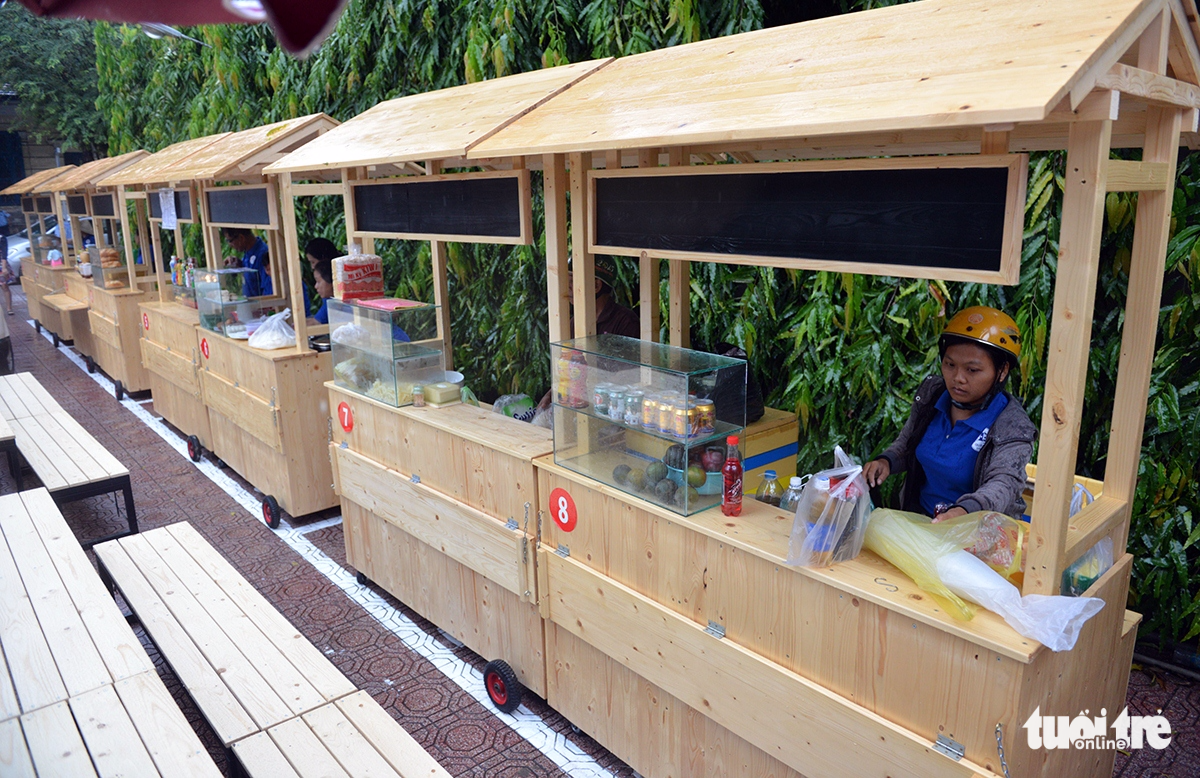
The Bach Tung Diep food street in District 1, Ho Chi Minh City. Photo: Tuoi Tre


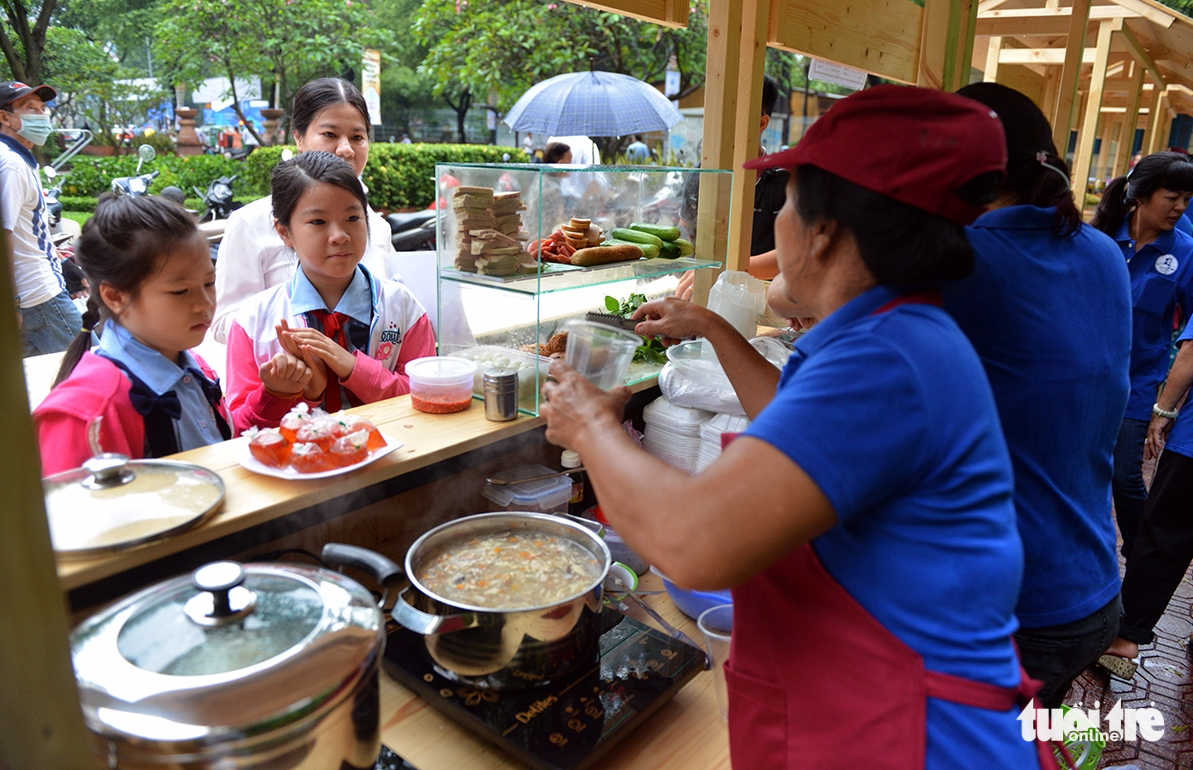
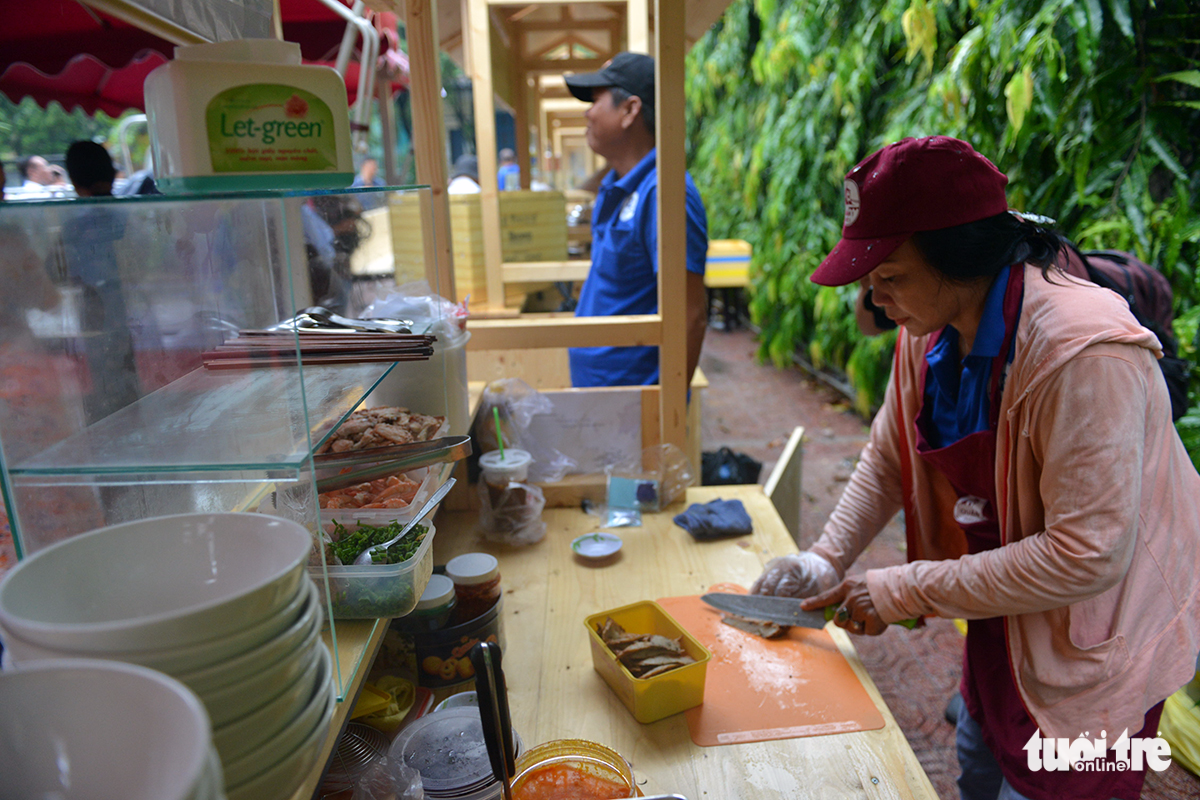
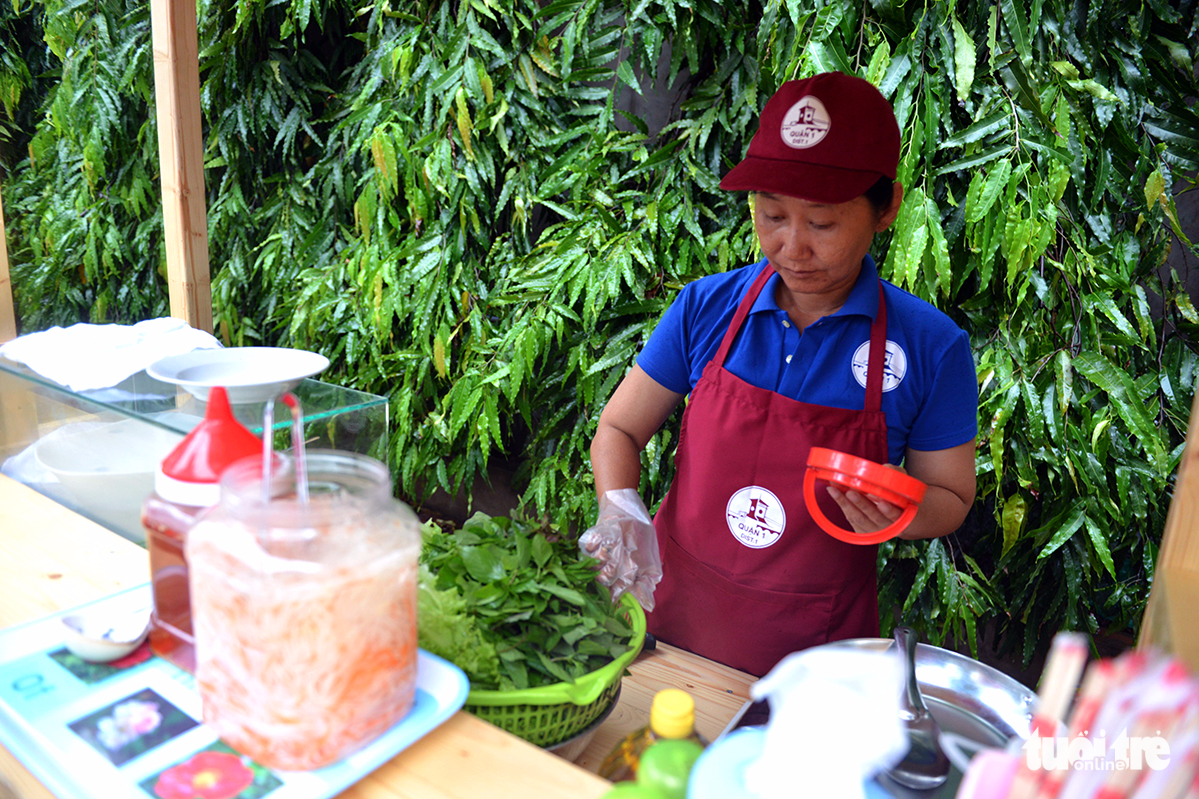
A vendor prepares food at the Bach Tung Diep food street in District 1, Ho Chi Minh City. Photo: Tuoi Tre


Doan Ngoc Hai, deputy chairman of District 1, talks with vendors at the Bach Tung Diep food street on the opening day, October 2, 2017. Photo:


Wooden stalls are used at the Bach Tung Diep food street in District 1, Ho Chi Minh City. Photo: Tuoi Tre


A vendor prepares food at the Bach Tung Diep food street in District 1, Ho Chi Minh City. Photo: Tuoi Tre

~News courtesy of Tuoi Tre~

Đà Nẵng calls for tourism investment

Đà Nẵng calls for tourism investment


The Rồng (Dragon) Bridge spans the Hàn River. It is one of the most visited sites in Đà Nẵng. — VNS Photo Công Thành

At the APEC Summit, the central city of Đà Nẵng has called for investment in nine projects in tourism and entertainment worth an estimated US$500 million. 

It says it wants the development done as Public-Private Partnerships (PPP) and Build-Own-Operate (BOO) models.

Deputy director of the city’s tourism department, Nguyễn Xuân Bình told Việt Nam News that the business forum was a big chance for the city’s tourism industry to show its power and potential for co-operation and investment.

He said a horse-racing project, planned on 500,000sq.m in Cẩm Lệ District, was the biggest project with a proposed investment capital of $200 million, while Ngũ Hành Sơn (Marble Mountains) Cultural and Historical Park has called for investment of $87 million.

Bình said the city also called for investment in the first underground shopping centre on Sơn Thuỷ Beach in coastal Ngũ Hành Sơn District with a proposed $40 million.

“We call for investment from foreign investors during our promotions in South Korea, Japan and Europe. 

The city will ensure favourable conditions for investors with flexible policies and positive support as well as administrative reform,” Bình said.

“The city also has an eye on calling local and foreign investment in a cruise port and piers, public parks, an international cuisine centre and a dog-race arena,” he said.

Bình said the projects would help turn the city into a centre of tourism, shopping and finance in central Việt Nam as well as a rendezvous of UNESCO-recognised world heritage features such as Huế Monument Complex, Hội An Town and Mỹ Sơn Sanctuary in Quảng Nam Province; and Phong Nha-Kẻ Bàng National Park and Sơn Đoòng Cave in Quảng Bình Province.

According to the Đà Nẵng Investment Promotion and Support Agency, Đà Nẵng has attracted 43 new foreign direct investment (FDI) projects worth $60 million in the first eight months this year, 4.6 times the amount for the same period last year.

The city now has 461 FDI projects worth more than $3.6 billion, mostly in tourism, services, property and industry.

Đà Nẵng encourages investors in high-tech industries and high-quality services in the form of public-private partnerships (PPP), as well as investment in waste treatment, infrastructure development, and solar and wind power.

Earlier this year, the city listed 68 PPP projects, 22 of them in the high-tech sector. 

From 2017-20, the city plans to attract investment worth $1.4 billion from domestic and foreign businesses.

~News courtesy of Viet Nam News~

Saturday, October 14, 2017

Asean to open skies further

Asean to open skies further

Asean countries signed the protocol to put into place a package of commitments to further liberalise air transport services in the region.

At the 23rd Asean Transport Ministers Meeting, the countries also agreed to improve connectivity among member states.

Transport ministers and senior officials from Asean member countries attended the two-day meeting. Also present were dialogue partners from China, Japan and South Korea.

Among the highlights of the meeting was the conclusion of the “tenth package of commitments on air transport services under the Asean Framework of Services”.

Liow said the ministers also signed the protocol of domestic code-share rights, allowing code­-sharing arrangements between the marketing airline and domestic airline in Asean member countries.

“This would increase connectivity between Malaysia and other Asean member states.

“At the same time, it would enable designated airlines of Malaysia to offer their passengers a wide range of travel options which can extend beyond the airlines’ own network and route structure,” he added.

Liow said the ministers signed the Mutual Recognition Arrangement on Flight Crew Licensing, which would facilitate air services to complement liberalisation efforts in Asean, and ensure the highest degree of security in international air transport.

They also reached an agreement on the Facilitation of Cross Border Transport of Passengers by Road Vehicles.

“This is to promote seamless cross-border mobility of passengers between Asean member states,” said Liow.

He added that the ministers had concluded the Memorandum of Understanding (MoU) between the authorities in charge of aircraft accident investigation under the Asean-China partnership.

“This agreement would further strengthen Malaysia’s cooperation with China in relation to aircraft accident and incident investigations, sharing experiences and expertise in various specialist fields, equipment and research,” he said.

~News courtesy of The Star~
开放联号航运权 亚细安区内航班选择增多

开放联号航运权 亚细安区内航班选择增多

亚细安成员国将开放各自的国内联号航运权,让在亚细安区域内飞行的航班共享班号。如此一来,航空公司可在不使用旗下飞机的情况下,扩大跨国飞行网络,为搭客提供更多航班选择。这也有助促进亚细安各国人民和货物的流通,有利于经济与商业发展,也能扩展旅游业。

过去两天在我国举行的第23届亚细安交通部长会议昨天结束,与会国在本次会议中签署了五项协议,并采纳六项计划,重申致力于加强亚细安成员国与对话伙伴国之间交通合作的承诺。

这包括进一步开放区内的航空服务、改善亚细安航空飞行的安全和效率,以及促进乘客的无缝跨境流动。

各国部长昨天签订两项开放航空服务的协议,其中包括开放联号航运(code-share)权,让在亚细安区域内飞行的航班都能提供联号航运服务,搭客也能享有较便利的转机登机与行李托运服务。

例如,一家本地航空公司和一家泰国航空公司合作提供联号航运服务,搭客只需订购一次机票,便能先飞往曼谷,再转国内航班到泰国的另一目的地。同样的,原本不直飞本地的泰国航空公司,也能让搭客通过一次订票,先飞曼谷再转飞新加坡。

另一项协议则是在亚细安服务业框架协议(ASEAN Framework Agreement on Services,简称AFAS)下,落实第10项配套,以求逐步减少亚细安航空运输辅助服务的贸易限制。新加坡将对提供销售与营销航空运输服务的公司,提高它们所能允许的最高海外股本参与率,从51%提高到70%。

此外,各国采纳了亚细安航空交通管理总体规划,目的是打造无缝的亚细安空中交通,以更一体化的方式改善区域的航空流量。一旦全面落实,料将改善航空交通管理与安全,空域容量也能增加,航班延误的情况因此有望减少,航空公司的运作成本也会降低。

各国也签署了协议,相互承认对方颁发的机组人员执照。

成员国各500辆客运巴士 可享简化出入境要求

在陆路交通方面,亚细安成员国签署了促进陆路客运跨境的亚细安框架协议,方便客运巴士在各国之间跨境穿行。

按照这项协议,每个成员国都有500辆巴士的配额,可享有简化出入境的要求。这些必须是非固定行程的客运巴士,如旅游巴士。固定行程的跨境巴士在路线、停靠站、巴士数量、技术要求及车费方面,仍得取得邻国的同意。

与对话伙伴国的合作方面,亚细安将与中国加强在航空事故调查的合作。

负责调查航空事故的官方机构与中国民用航空局签署了谅解备忘录,同意相互分享调查航空事故方面的设施与专才资源,也相互提供培训、分享安全资料,及安排观察员参与调查等。这有助提升调查员的能力与专业水平。

基础建设统筹部长兼交通部长许文远为会议主持闭幕式时说:“我们对亚细安交通合作的承诺将助我们实现‘2020年亚细安愿景’,以及‘2025年亚细安互联互通总体规划’。这将提高人民的生活质量,制造良好的就业机会,也能为区域带来稳定与和平。”

第24届亚细安交通部长会议明年将于泰国举行。

~联合早报网~